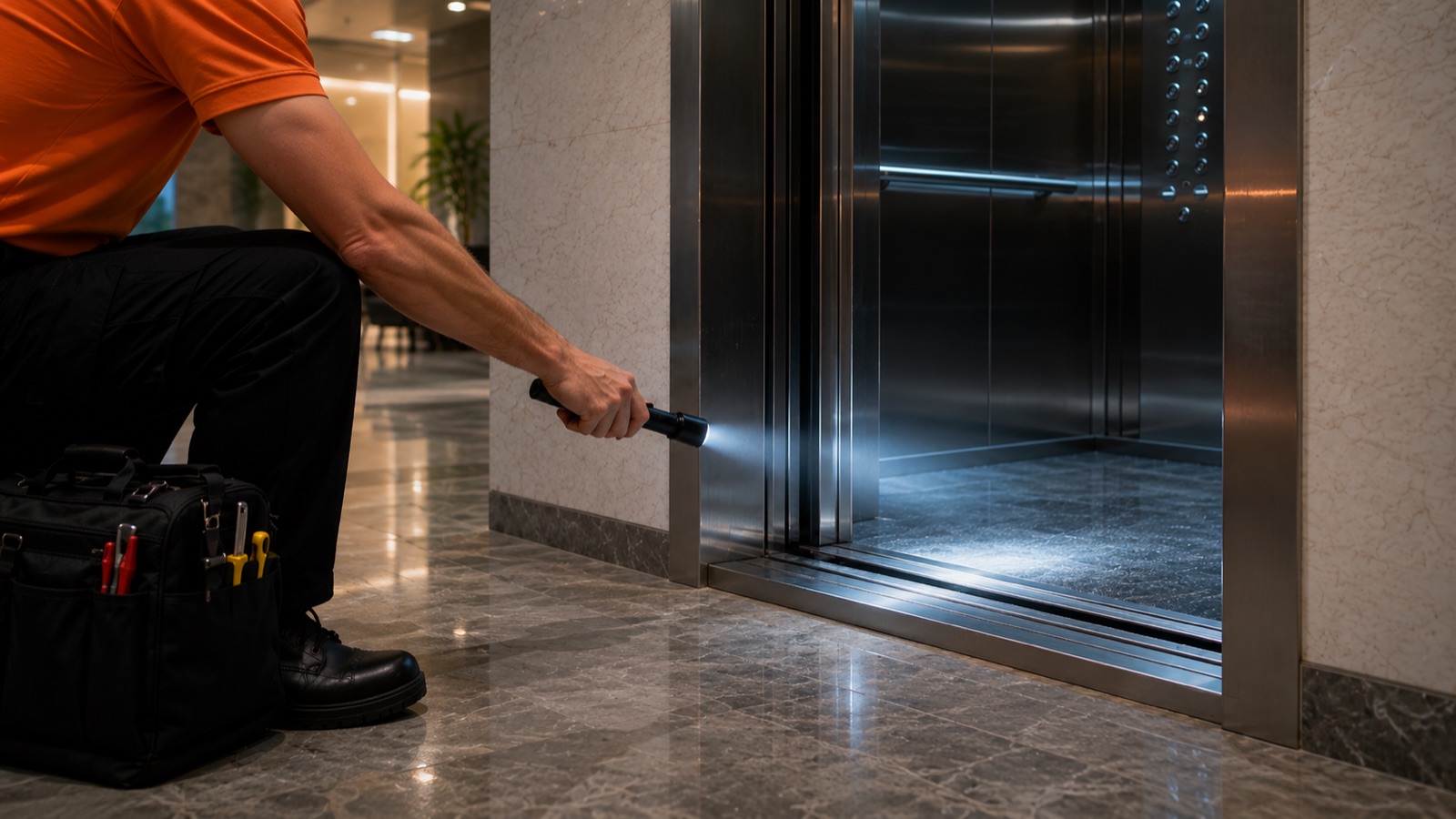
It is one of the most common, and most expensive, misunderstandings we see from building owners and property managers in Florida. An elevator stops running, or simply stops being needed, so it gets switched off and forgotten. The assumption is that once it is off, it is off the books: no more state fees, no more inspections, no more responsibility. It does not work that way. An elevator that is switched off is still a registered, active device in the eyes of the State of Florida, and it keeps costing you every year it sits there.
What "off" really means to the state
Turning the key or cutting the power changes nothing about the elevator's status on the state registry. The device is still listed, still active, and still yours. Until it is formally removed from that registry, the clock keeps running on the fees and the obligations that come with owning a conveyance in Florida.
The three ways an idle elevator keeps costing you
- The annual state fee. A registered elevator keeps billing whether it moves or not. Deregistering the device is the only thing that actually ends that yearly charge.
- Inspection liability. The unit still carries its safety-test obligations, the annual Category 1 and the five-year Category 5, plus the re-inspections to schedule and the risk of a violation landing on the property.
- Safety and liability risk. A dead car or an idle shaft is still a fall and fire hazard, and it is still your exposure. An open or neglected hoistway does not stop being a risk just because no one is riding it.
Add those up, and an elevator you are not even using can quietly cost you for years.
The two real ways out: decommissioning vs demolition
There are two legitimate ways to end it, and the right one depends on what you want to happen to the equipment and the shaft.
Decommissioning is the formal, permanent retirement of the unit. The elevator is taken out of service for good and removed from the state's active registry, so the fees and the inspection obligations end, while the equipment is left safe in place. This is the path when the shaft is not being reused right away and there is no need to physically clear the equipment yet.
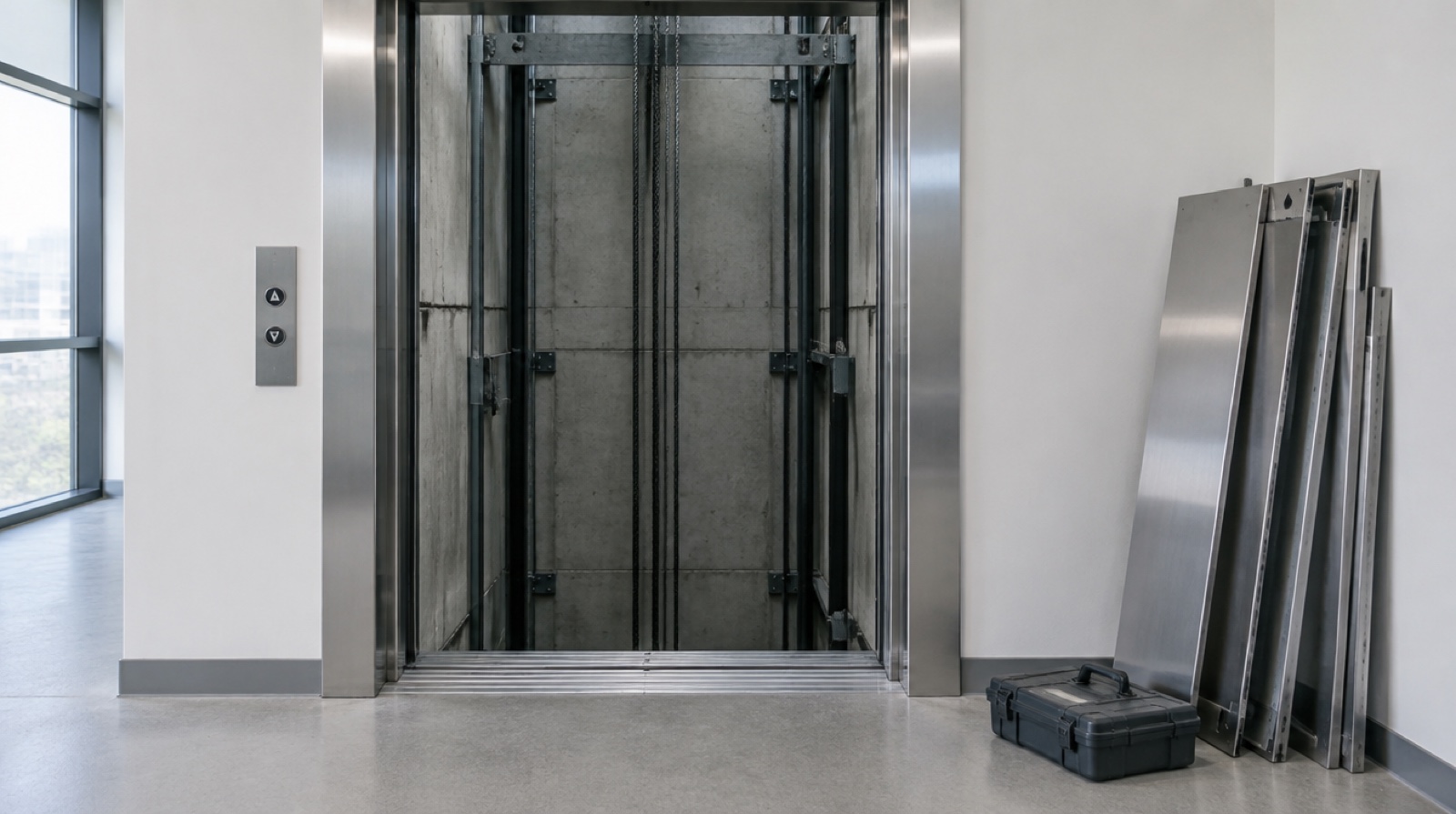
Demolition is the full physical removal. The car, counterweight, machine, controller, governor, ropes, rails and fixtures come out, the hydraulic oil and in-ground cylinder are handled and disposed of to code, the hoistway is sealed, the device is deregistered, and a closing inspection signs the permit off. This is the path when you are clearing the space, making room for a new installation, or repurposing the shaft.
Either way, the step that actually stops the money is closing the device out with the State of Florida. That is the piece owners miss when they simply flip a switch and walk away.
It is a permitted job, not a demo-crew job
Taking an elevator out is a permitted process, not a teardown, and doing it without a permit is exactly what leaves an open record on the property. A general demolition crew is not equipped to drain and containerize hydraulic oil, pull or abandon an in-ground cylinder to code, or deregister the device with the state. Done properly, the sequence is straightforward: file the permit, disconnect and dismantle in a controlled order, handle the oil and cylinder, make the hoistway safe, then deregister and attend the closing inspection so the elevator is legally and cleanly gone.
Close it out the right way
If you have an elevator sitting idle, or you just got a note from the state about fees on a unit you forgot you still had, the fix is the same: take it out the right way and close it out. Brouss handles the whole process, from the first permit to the final sign-off, so nothing about it follows you afterward.
Have a dead or idle elevator on your books? Call 786.308.9128 or request a removal assessment.