Most building owners think of the elevator as a machine: it runs, people ride it, and it only earns attention when it breaks. But the elevator is better understood as what it really is, one of the building's assets. It has real economic value, it serves the property for many years, and like any asset, it needs investment to hold that value over time.
Seeing the elevator this way changes how you plan for it. An asset is something you protect and maintain on purpose, not something you fix only after it fails.
What makes an elevator an asset
An asset is something of value that delivers a service over a long life and requires investment to keep. The elevator checks every box. Buying and installing one is a major capital expense, it runs for many years, its condition affects the whole property, and at some point it will need to be renewed or replaced. That makes it a line on the building's balance sheet, not just a fixture in the lobby.
The four kinds of value in your elevator
The value of an elevator shows up in more than one way:
- Use value. It gives access to every floor and keeps the building working for residents, tenants, customers and staff. For many people, it is the only practical way up.
- Economic value. Buying, installing and eventually replacing an elevator is a significant investment. The equipment itself represents real money tied up in the property.
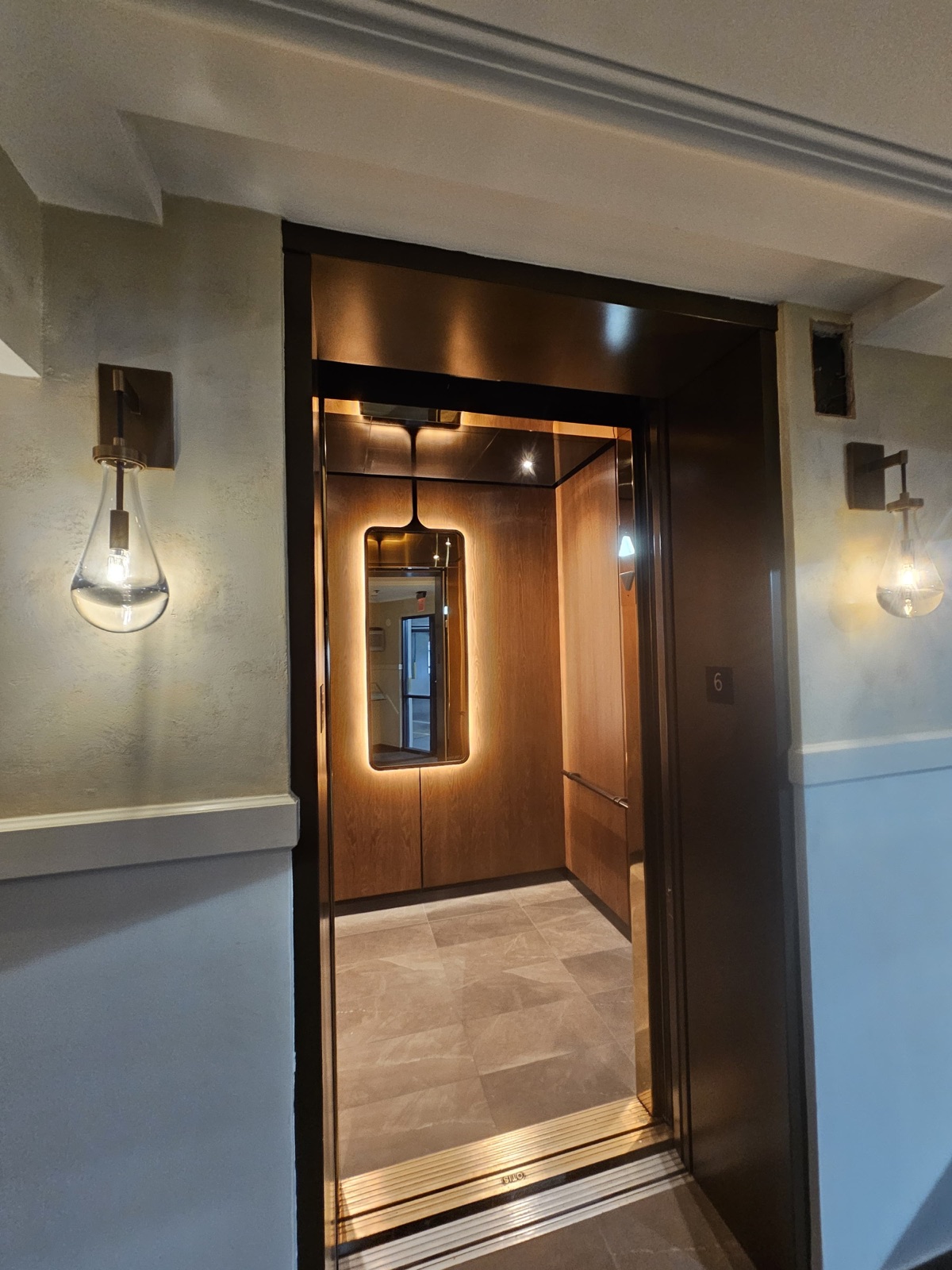
- Contribution to the property. The condition of the elevator influences how attractive the building is to buyers and tenants. A reliable, modern cab lifts the whole property; a tired, unreliable one works against it.
- Remaining useful life. The age and condition of the components tell you how much service is left, and help you plan the next investment before it becomes an emergency.
Maintenance protects the asset
Every asset loses value when it is neglected, and an elevator is no different. Regular maintenance is what preserves it. It slows the normal wear on doors, controls and mechanical parts, keeps the ride smooth and reliable, and catches small issues before they turn into expensive repairs or unplanned downtime. Consistent maintenance also keeps the unit in line with Florida's safety and inspection requirements, which protects both the asset and the owner.
Put simply, maintenance is not just a cost you pay to keep an elevator running. It is how you protect an important investment in your building.
Modernization renews it
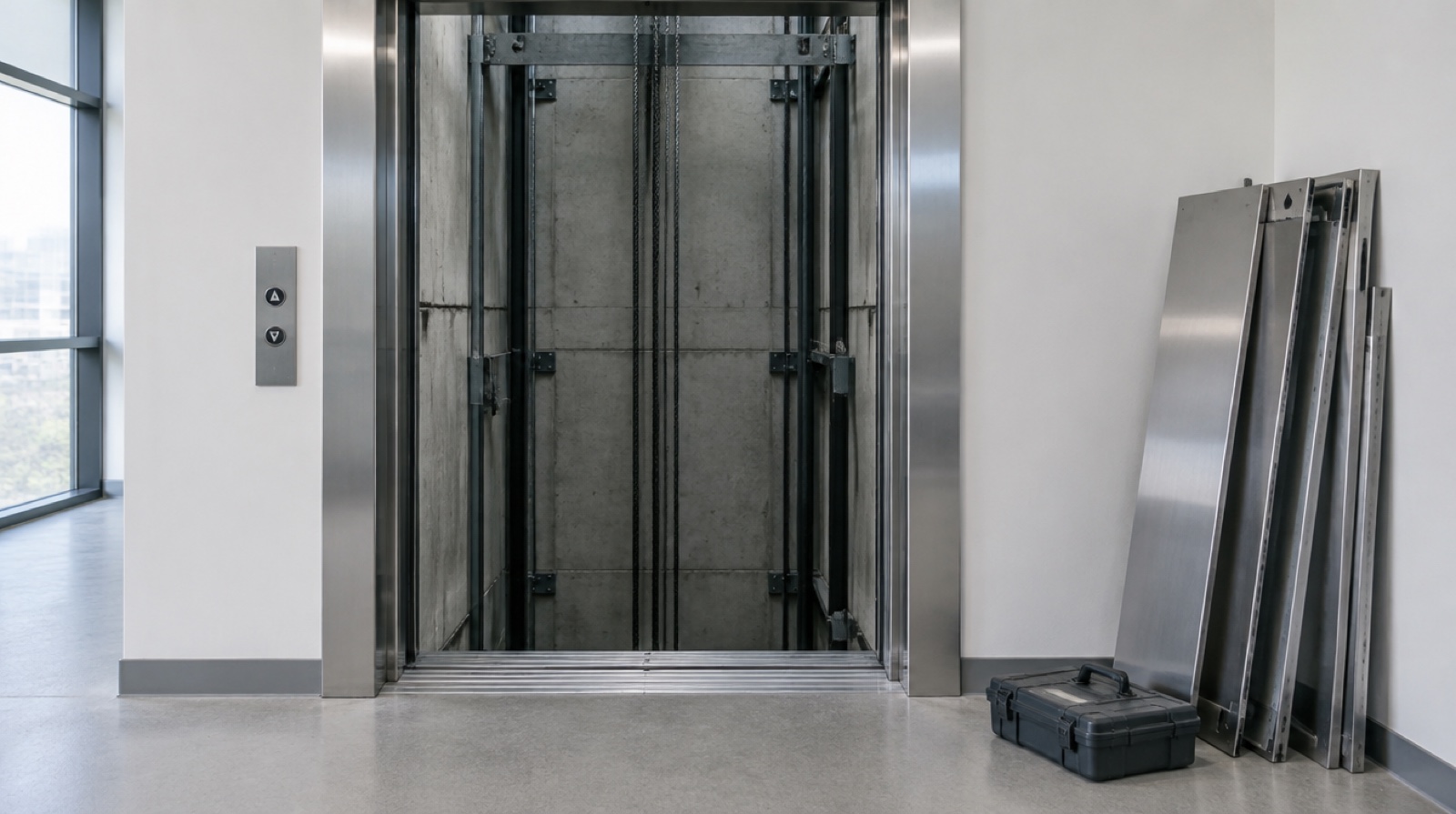
Maintenance preserves what you have, but no equipment lasts forever. When components reach the end of their service life, modernization is how you renew the asset instead of replacing the entire system. Upgrading the controller, fixtures, door equipment and wiring can restore reliability, improve performance and ride quality, and extend the useful life of the elevator for years, often at a fraction of the cost and disruption of a full replacement.
Modernization is the point where an aging asset gets a second life and goes back to adding value to the building.
Protect the investment
Your elevator is one of the building's assets, so it deserves the same attention you give the roof, the structure or the mechanical systems. A clear maintenance plan protects its value today, and a well timed modernization protects it for the long term.
Want to know where your elevator stands as an asset? Call 786.308.9128 or request an assessment, and Brouss will help you protect the investment.