Two Technologies, Two Different Approaches
When it comes to installing or replacing an elevator in your Florida building, one of the most important decisions you'll make is choosing between hydraulic and traction systems. Each technology has distinct advantages and limitations, and the right choice depends on your building's height, usage patterns, budget, and long-term goals.
At BROUSS Elevators, we install and maintain both types. Here's an honest comparison to help you decide.
How Hydraulic Elevators Work
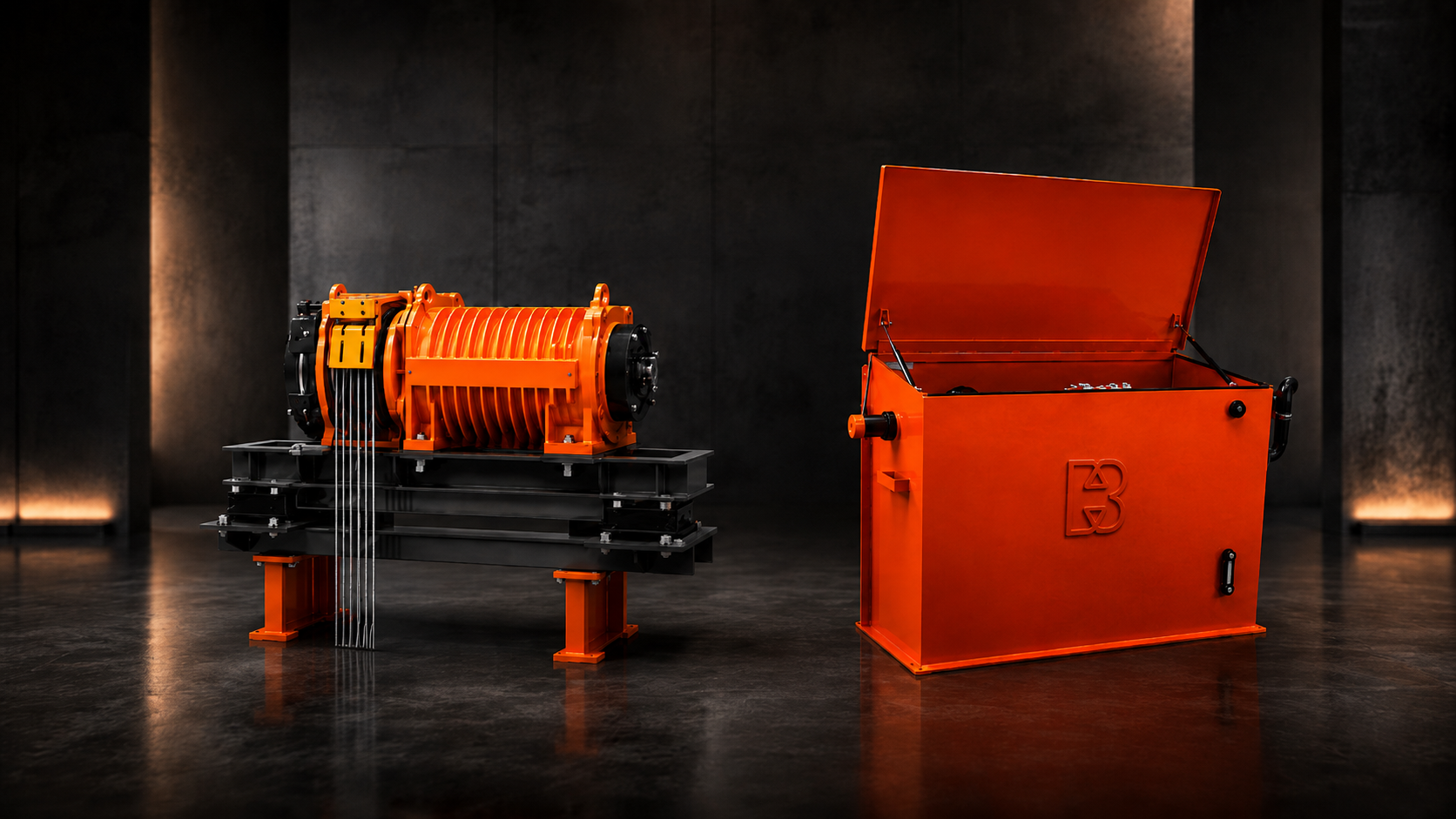
Hydraulic elevators use a fluid-driven piston to raise and lower the cab. A pump pushes hydraulic oil into a cylinder, which moves the piston upward. When descending, a valve releases the oil back into the reservoir, and gravity does the work.
Advantages of Hydraulic Elevators
- Lower installation cost: Hydraulic systems typically cost 20-30% less to install than traction systems
- No overhead machine room: The motor and pump are located at the base of the building, ideal for buildings without penthouse space
- Higher load capacity: Hydraulic elevators can handle heavier loads, making them great for freight applications
- Simpler technology: Fewer components mean straightforward maintenance and troubleshooting
- Proven reliability: The technology is mature and well-understood
Limitations of Hydraulic Elevators
- Limited height: Practical for buildings up to about 6-8 stories (roughly 60-70 feet of travel)
- Slower speed: Typically 100-150 feet per minute
- Higher energy consumption: The pump motor runs during every up trip
- Environmental concerns: Hydraulic oil leaks can contaminate soil—underground cylinders require monitoring
- Temperature sensitivity: Oil viscosity changes with temperature, affecting performance in extreme conditions
How Traction Elevators Work
Traction elevators use steel ropes or belts that pass over a sheave (pulley) connected to an electric motor. A counterweight balances the cab, making the system highly energy efficient. Modern traction systems use gearless motors with variable frequency drives for smooth, precise operation.
Advantages of Traction Elevators
- No height limit: Traction systems serve buildings of any height, from 2 stories to 100+
- Faster speeds: 200-500+ feet per minute for commercial applications
- Energy efficiency: Counterweight systems and regenerative drives significantly reduce power consumption
- Smoother ride: Gearless traction provides the smoothest ride quality available
- No hydraulic oil: Eliminates environmental contamination risk
- Longer lifespan: Gearless traction motors can last 30+ years
Limitations of Traction Elevators
- Higher installation cost: More complex engineering and components increase upfront investment
- Machine room requirements: Traditional traction systems need an overhead or adjacent machine room (though machine-room-less options exist)
- Rope/belt maintenance: Ropes and belts require periodic inspection and eventual replacement
- More complex repairs: The technology requires specialized expertise
Which Is Right for Your Florida Building?
Choose Hydraulic If:
- Your building is 6 stories or fewer
- Budget is a primary concern
- You need heavy freight capacity
- There's no space for a rooftop machine room
- Traffic volume is low to moderate
Choose Traction If:
- Your building is taller than 6 stories
- Speed and ride quality are priorities
- Energy efficiency is important to your building
- You want the lowest long-term operating cost
- High traffic volume requires faster service
Machine-Room-Less (MRL): The Best of Both Worlds?
A third option worth considering is Machine-Room-Less (MRL) traction elevators. These systems mount the motor directly in the hoistway, eliminating the need for a separate machine room while still offering traction performance. MRL systems have become increasingly popular in Florida's mid-rise construction.