Elevators account for 2-10% of a building's total energy consumption. For older systems, that number can be even higher. The good news? Modern technology offers significant opportunities to reduce both your carbon footprint and your utility bills.
Understanding Elevator Energy Use
Most elevator energy is consumed by:
- The motor and drive system (moving the cab)
- Lighting (cab lights often run 24/7)
- Ventilation and climate control
- Standby power for controls and displays
Energy-Saving Modernization Options
Regenerative Drives
The biggest energy saver available. Regenerative drives capture energy when the elevator descends with a heavy load or rises with a light load - situations where the motor acts as a brake. This energy is converted back to electricity and returned to the building grid.
- Can reduce motor energy consumption by 25-40%
- Pays for itself within 3-7 years depending on usage
- Works best in high-traffic buildings
LED Lighting Upgrades
A simple change with immediate impact:
- LEDs use 75% less energy than incandescent bulbs
- Last 25 times longer, reducing maintenance costs
- Generate less heat, reducing cooling needs
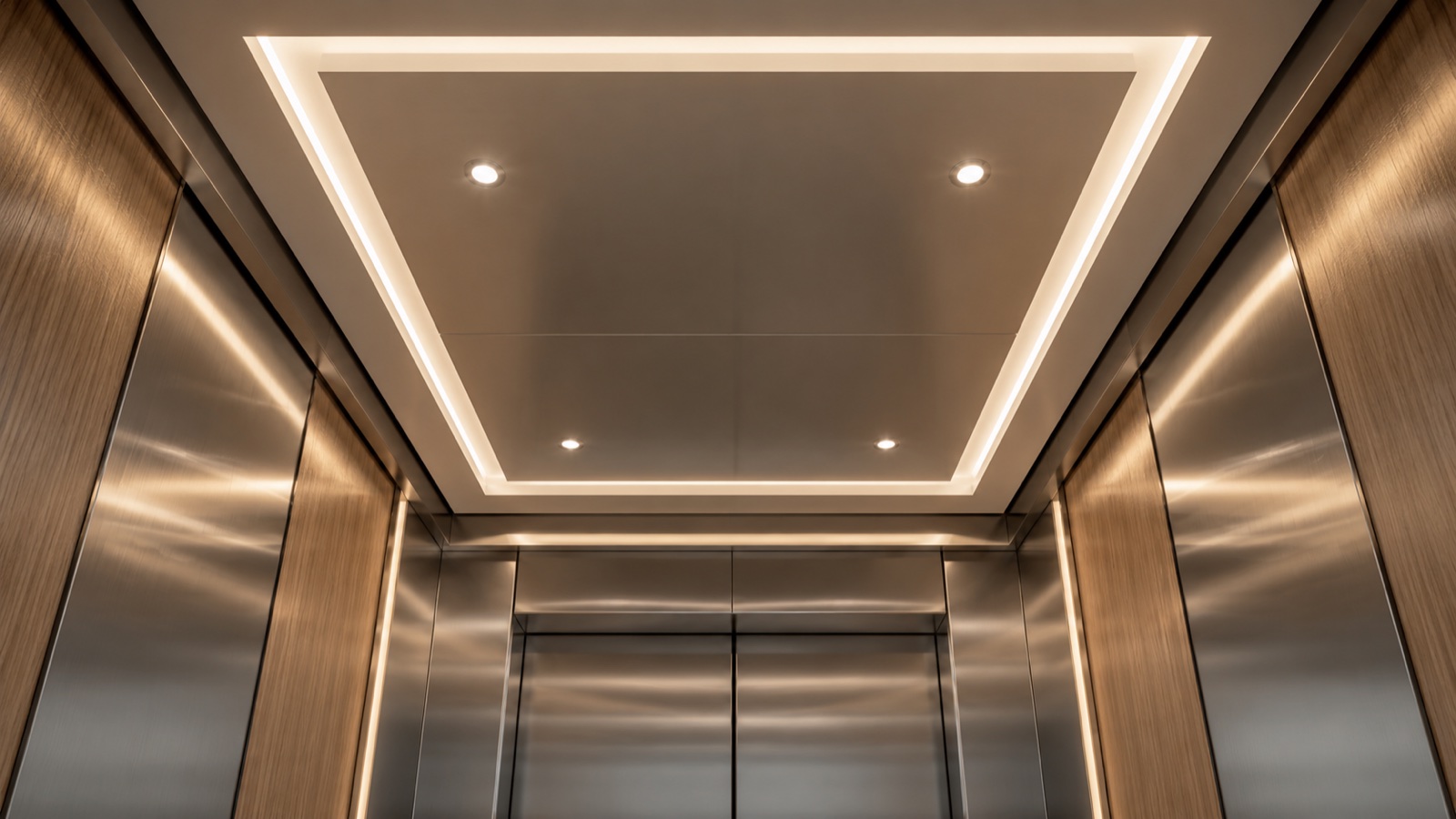
- Motion sensors can dim lights when cab is empty
Variable Frequency Drives (VFDs)
If your elevator does not already have a VFD, this upgrade alone can transform energy efficiency:
- Precisely controls motor speed rather than running full power
- Reduces energy consumption by 30-50% for older systems
- Provides smoother starts and stops, improving ride quality
- Extends motor life by reducing mechanical stress
Standby Mode Technology
Modern controllers can put elevators in sleep mode during low-traffic periods:
- Shuts down cab lighting and ventilation
- Reduces controller power consumption
- Instantly wakes when a call is registered
- Particularly effective for buildings with overnight low usage
Machine Room-Less (MRL) Conversions
For major modernizations, MRL systems offer significant advantages:
- Gearless motors are inherently more efficient
- Eliminates energy-intensive machine room cooling
- Smaller motors mean lower power requirements
- Frees up valuable machine room space
Real Savings for Florida Buildings
In our hot climate, energy efficiency matters even more. Reducing elevator heat output means less strain on your HVAC system. A comprehensive elevator modernization can reduce overall building energy costs by 2-5%.
Incentives and Rebates
Many utility companies offer rebates for energy-efficient upgrades. We can help you identify available incentives and ensure your project qualifies.